Description
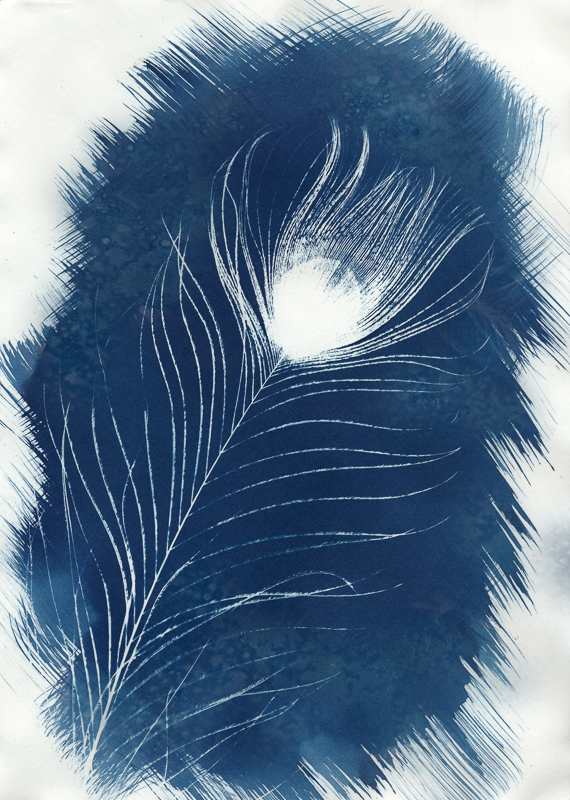
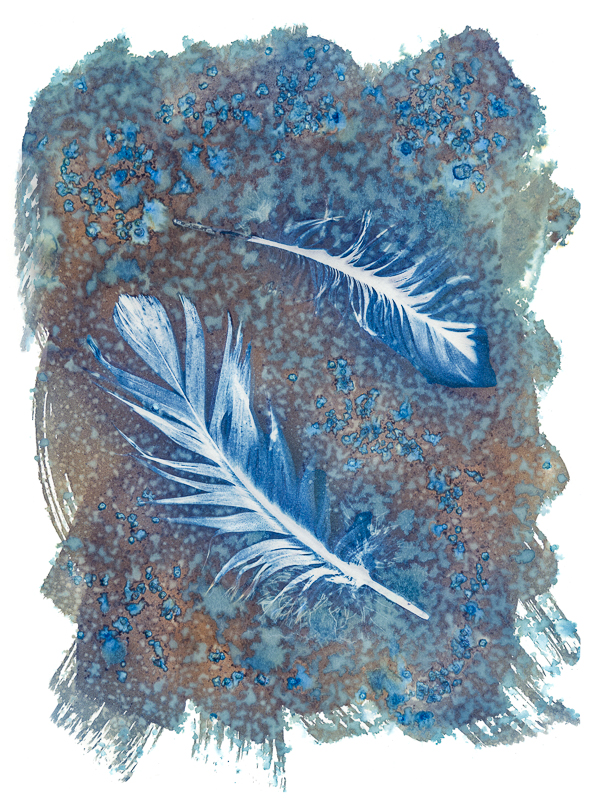
Cyanotype is a simple photographic printing process that creates an archival blue and white print. The cyanotype process was invented in the 1840s and is relatively easy and inexpensive to do at home. The chemicals involved are even safe enough to be rinsed down the drain once diluted. In the basic process, organic material (paper, fabric, etc.) is coated using a light sensitive solution of iron compounds. Objects and/or film negatives are placed on the material and then exposed to UV light (sunlight or UV lamp) to develop the image. In the final step, the exposed material is rinsed revealing an archival white print on a “Prussian Blue” background.
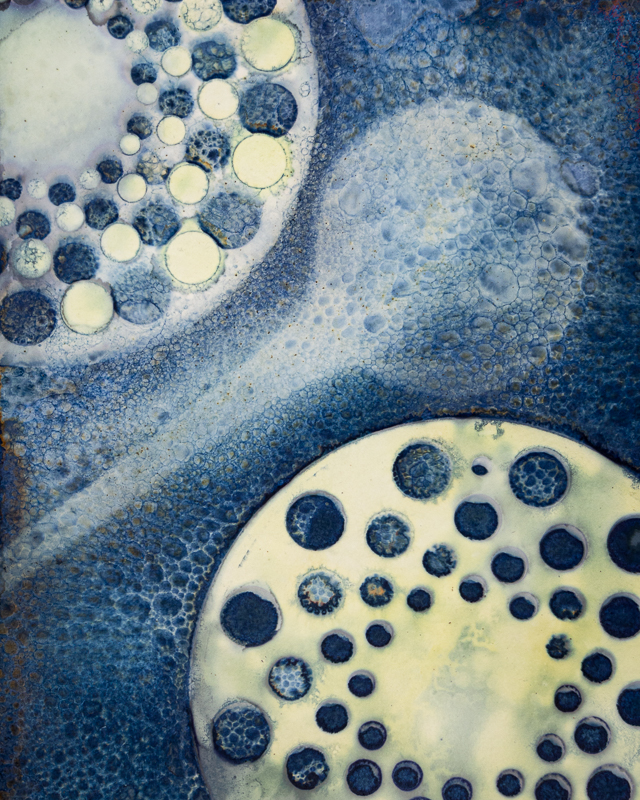
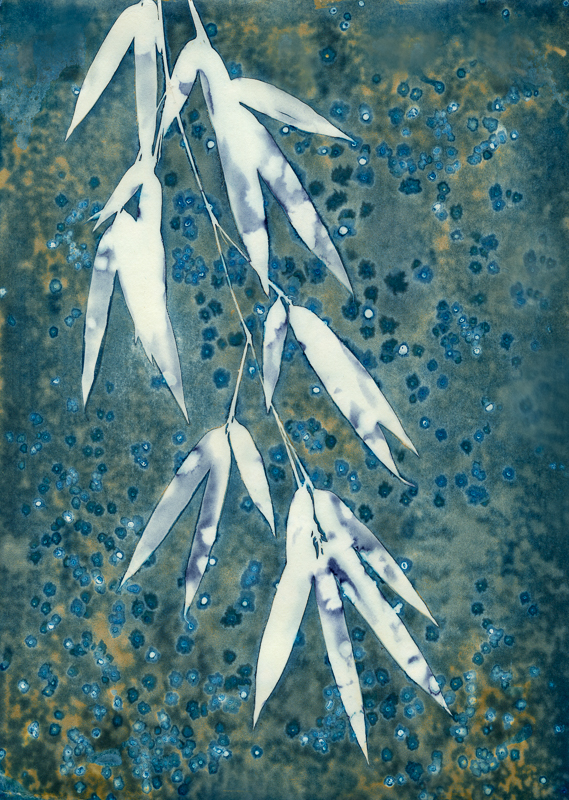
A lot of creativity can be interjected into this basic process to produce even more interesting one-of-a-kind prints. For example, the color of the print can be altered by adjusting the proportions of the chemical mix, by toning the rinsed print, or by working with a variety of additives like vinegar, or spices like turmeric. The texture of the print can be enhanced by adding things like salt or soap bubbles during the exposure stage. Layering objects on the light sensitive material can increase the 3-dimensionality of the print. Even how the light sensitive solution is applied to the material can create visual interest with different brush stroke edge effects.
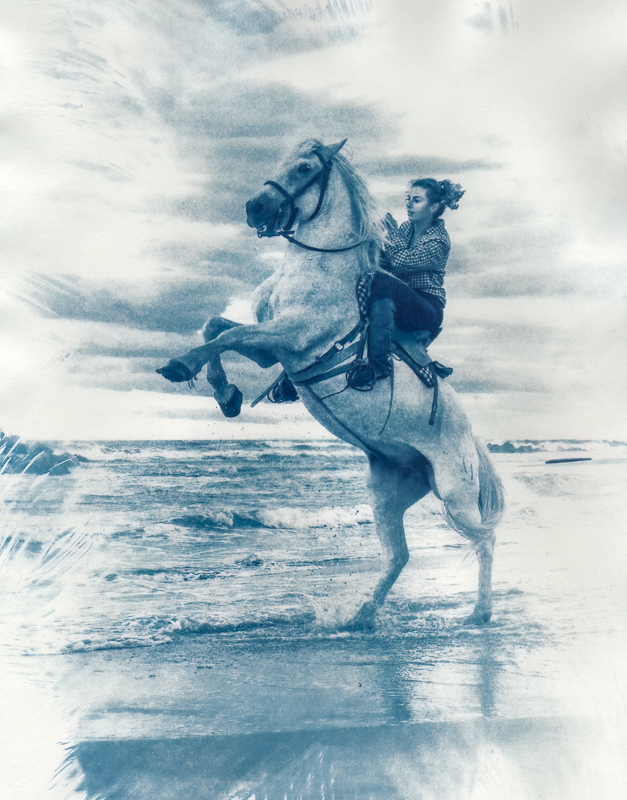
If you enjoy the process of seeing an image develop in the traditional darkroom, then you’re going to love experimenting with the alternative photographic process of cyanotypes. Furthermore, you’ll have fun getting photographic-like results even without a camera. For those interested in taking the process further, photographs of a cyanotype print at different stages can be blended together in Photoshop to create stunning composite images.
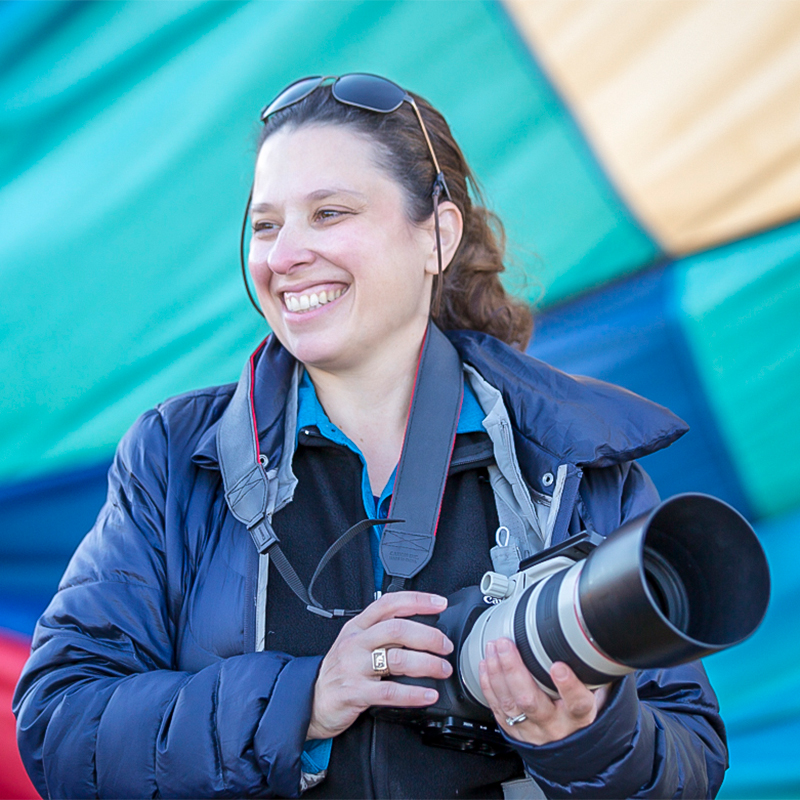
Photographer Mary Louise Ravese of Bella Vista Photography is always on the lookout for ways to be creative with her photography practice. In this presentation she will discuss her foray into the cyanotype process for a new fine art photographic project. In the process you will get insights into how different effects are achieved and perhaps be inspired to try making cyanotypes of your own. To celebrate “World Cyanotype Day” on September 27, she will be offering a weekend workshop on creating creative cyanotype prints. For more information visit her website www.BellaVistaPhotography.com.
Bio
Mary Louise is a fine art photographer who draws inspiration from a variety of visual arts to produce photographs often described as “painterly”. For the past 25 years, she has traveled the world in search of her favorite subjects – landscapes, nature close-ups, interesting architectural details and abstracts.
Mary Louise’s photography is in private, university and corporate collections in over 40 states and is exhibited nationally through art shows, galleries and shops. Her images have been used in calendars, magazines, books and websites including the National Parks Magazine and various projects with National Geographic maps. In 2020 she was awarded the distinction of “Master Artisan in Fine Art Photography” by the Pennsylvania Guild of Craftsmen, in recognition of achievement in the three benchmarks of excellence in craftsmanship, resolved design and unique voice.
Mary Louise has been a speaker at photography conferences and is a regular competition judge and speaker for photography clubs from the Carolinas to the Royal Photographic Society in England. She enjoys teaching photography at all levels and leads online and in-person classes, as well as photography workshops. For more information visit her website www.BellaVistaPhotography.com.
All photos taken by Mary Louise Ravese: